4 hr
Marrakech Medina, Bahia Palace & Saadian Tombs Walking Tour
Uncover Marrakech's living heritage in 4 hours — from royal palaces to spice-filled souks.
Reserve
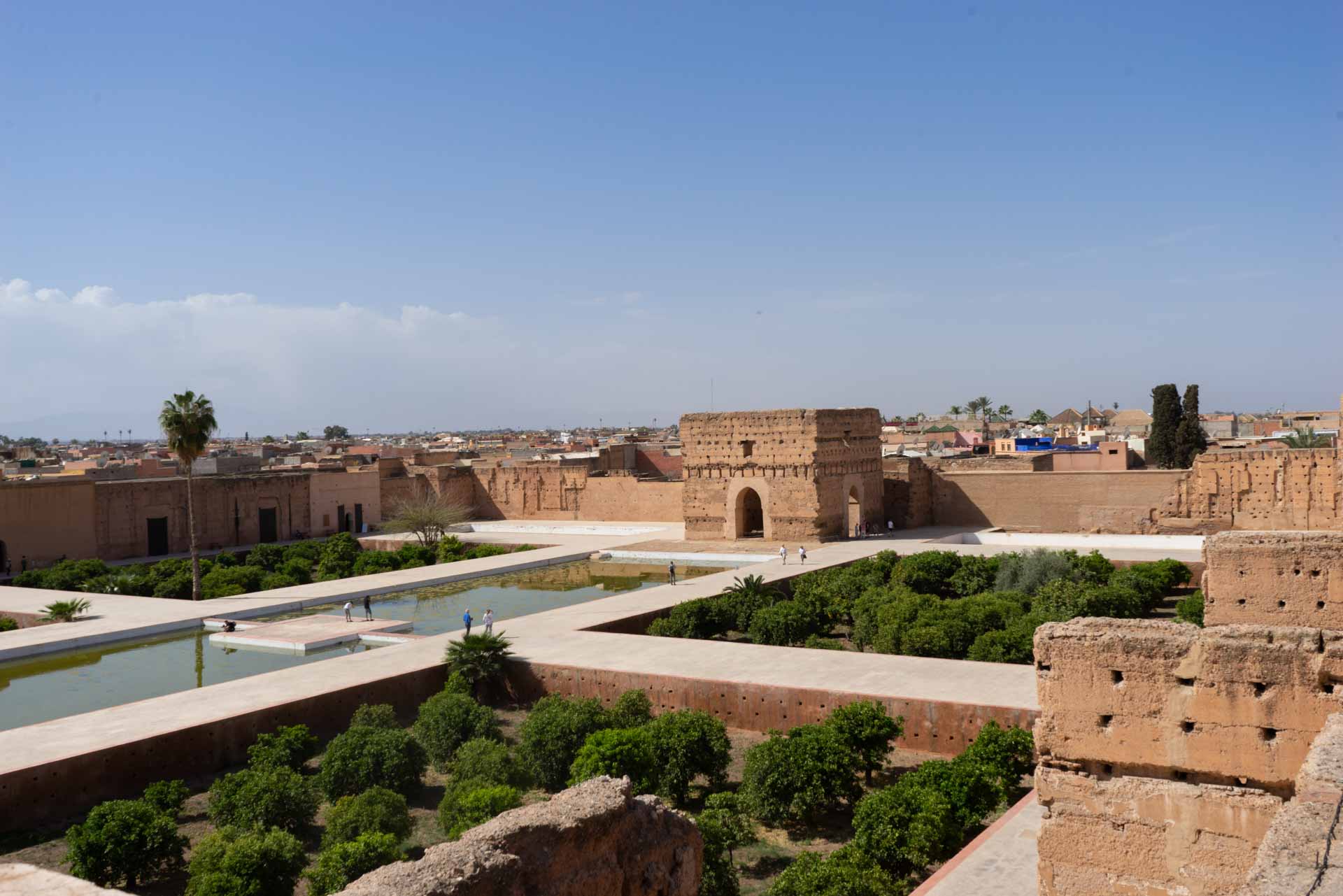
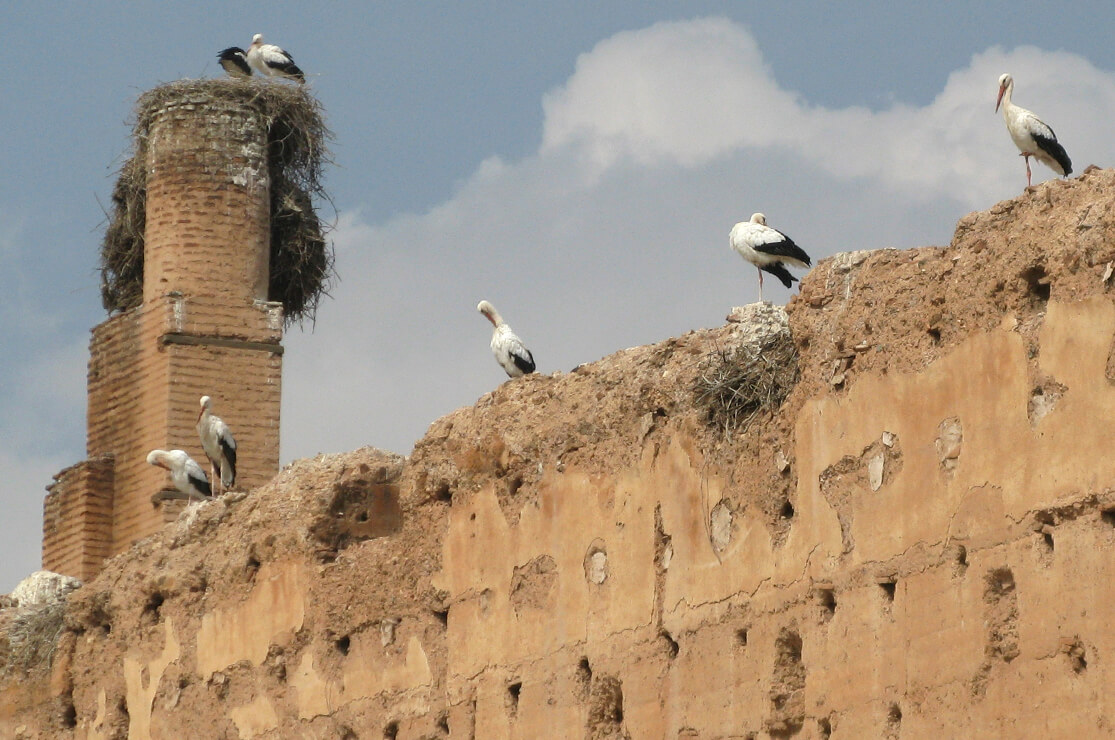
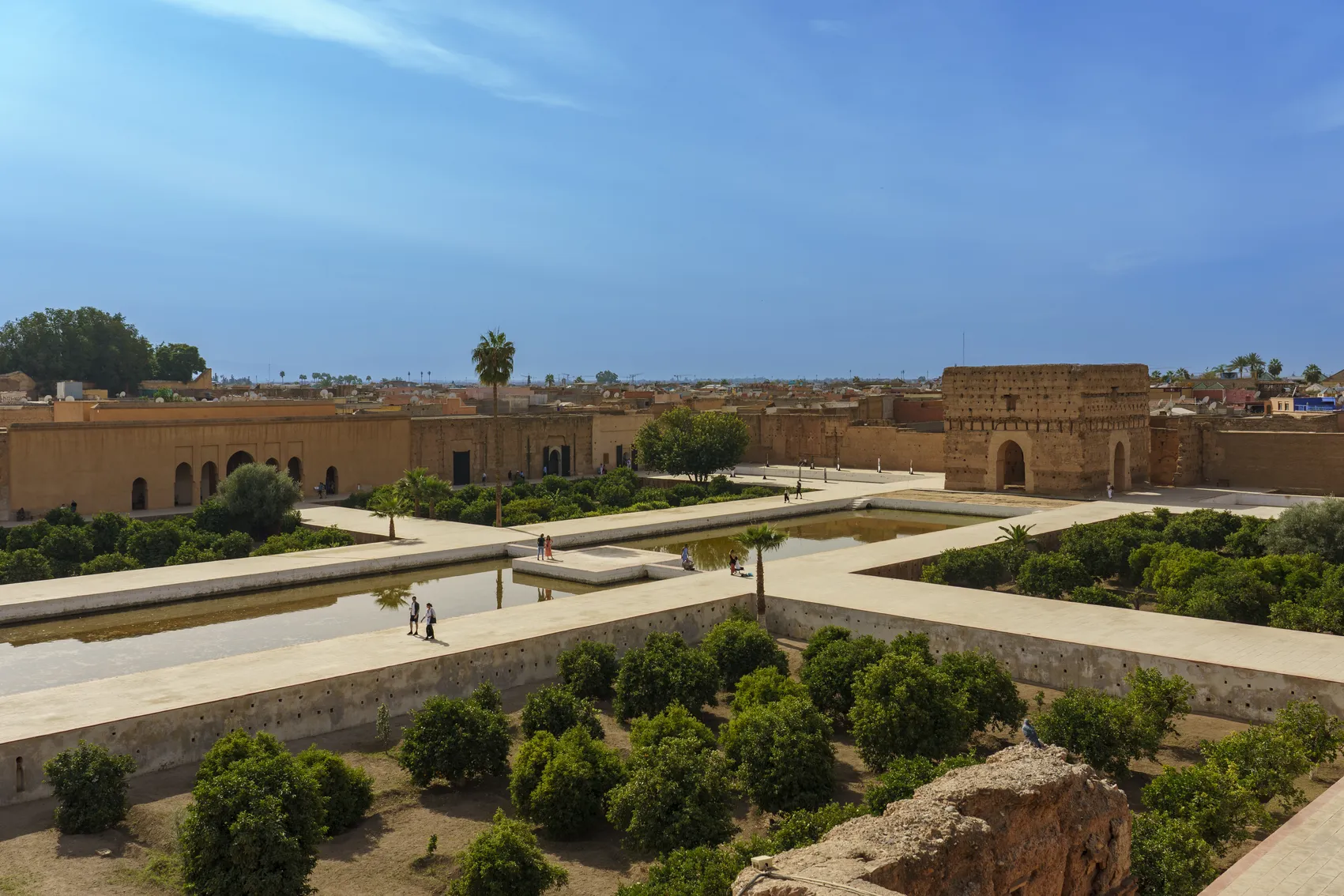
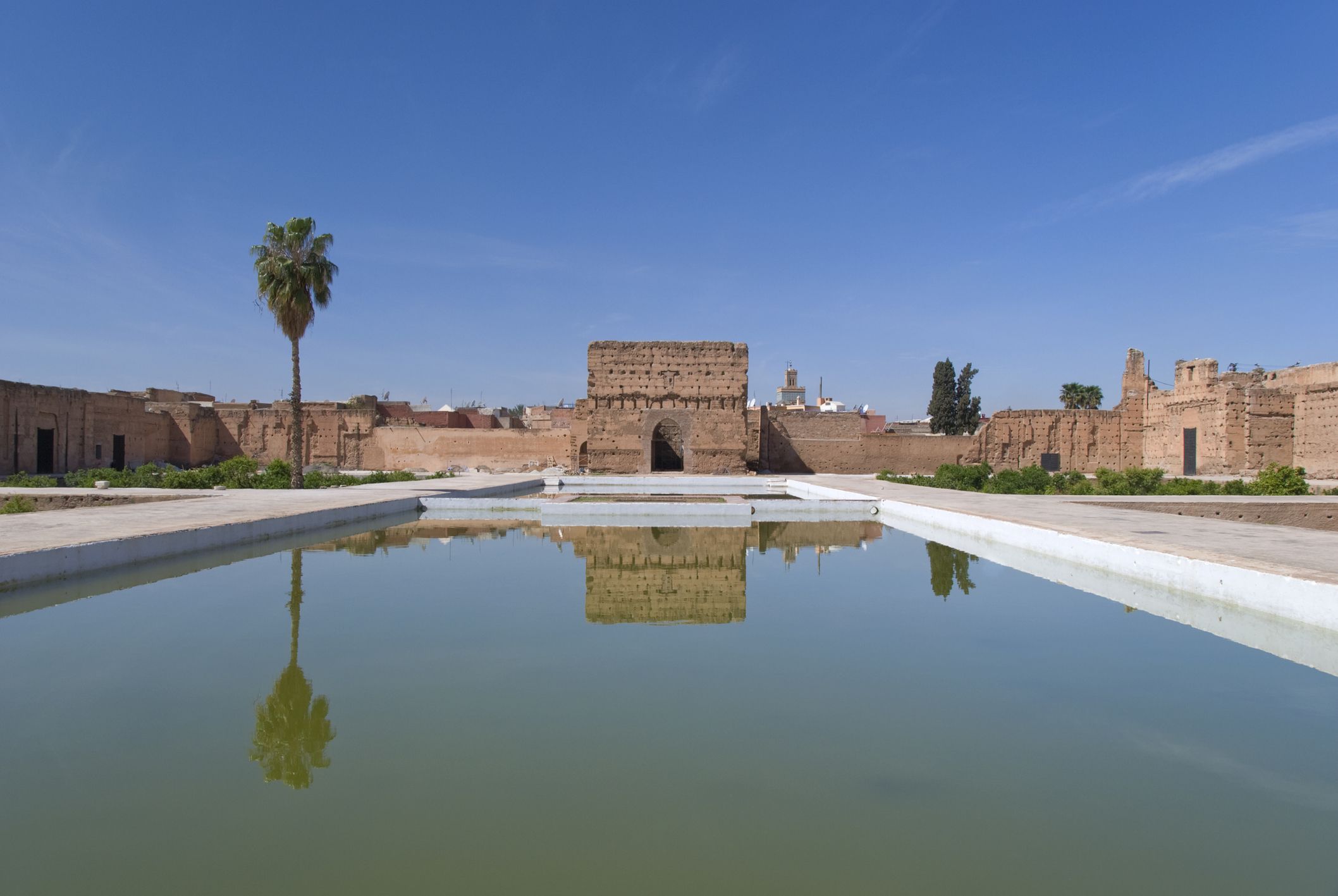
Sunken orange groves below, nesting storks above
Hand-picked by our editors — only the best 5 experiences from 240 reviewed.
Verified partners for El Badi Palace tours, free cancellation where available, and instant confirmation on every booking.
4 hr
Uncover Marrakech's living heritage in 4 hours — from royal palaces to spice-filled souks.
Reserve
4 hr
Uncover 800 years of Marrakech history in 4 hours — from royal tombs to bustling souks.
Reserve
3 hr
Uncover 3,000 years of Moroccan history across palaces, royal tombs, and iconic squares in just 3 hours.
Reserve
6 hr 30 min
Explore Marrakech's ancient Medina on a fully customizable private tour packed with history, culture, and hidden gems.
ReservePrices from verified partners. Availability updates in real time at checkout. Free cancellation policies apply where shown.
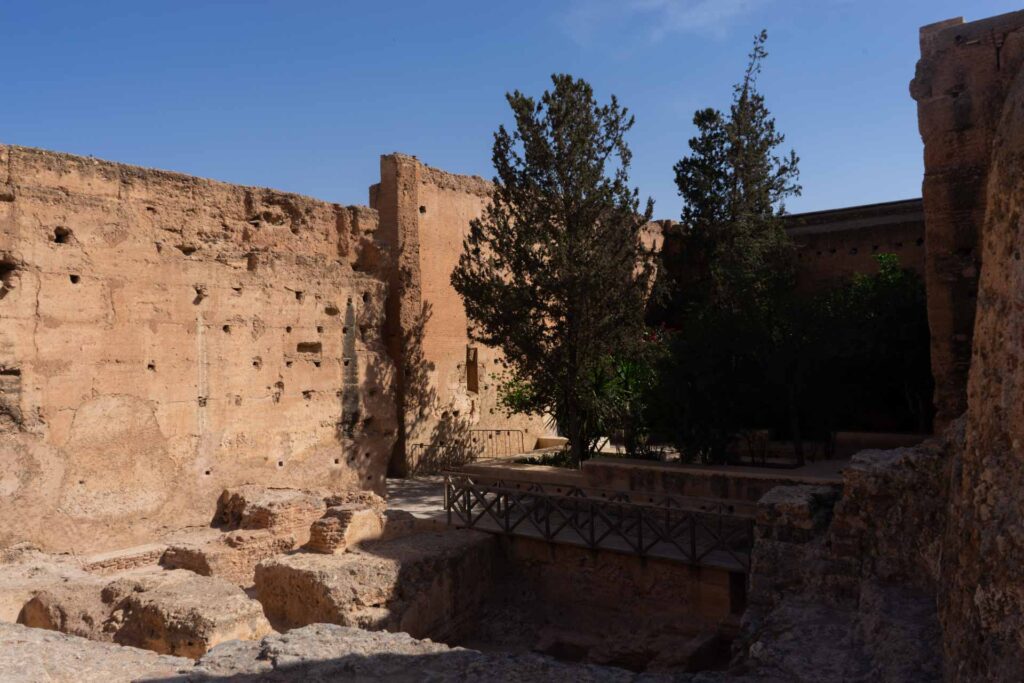
Sultan Ahmad al-Mansur funded El Badi Palace with ransom gold seized after the 1578 Battle of the Three Kings, and its 360 rooms once gleamed with Italian marble and Sudanese gold leaf. Within a century, Sultan Moulay Ismail stripped the walls bare to build Meknes, leaving the courtyards to ruin.
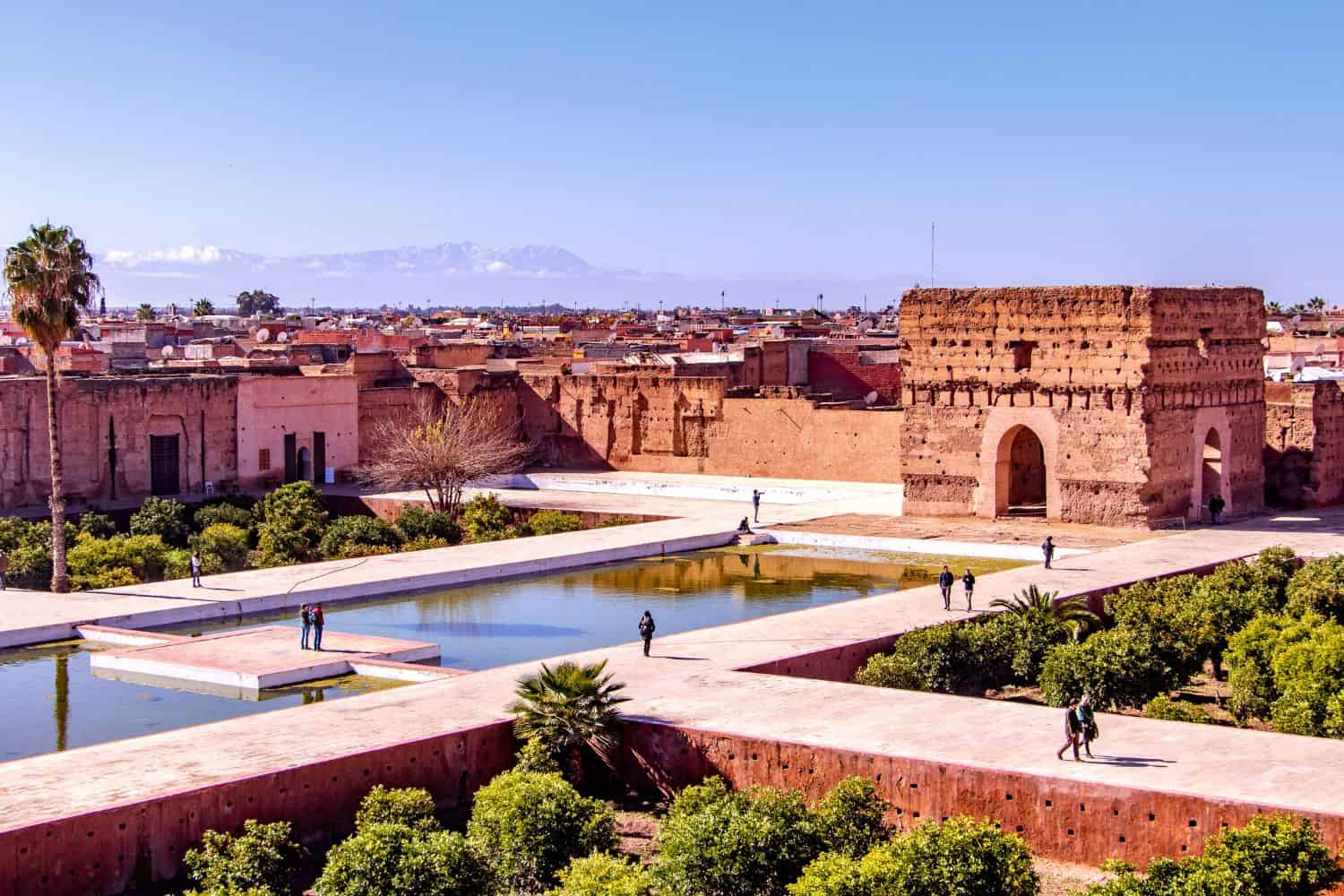
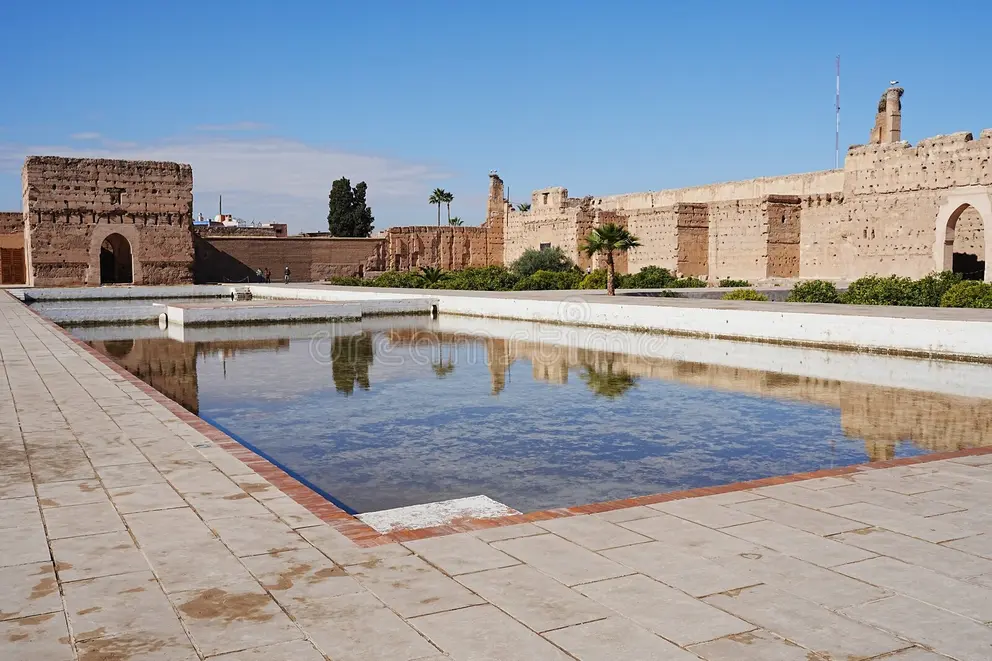
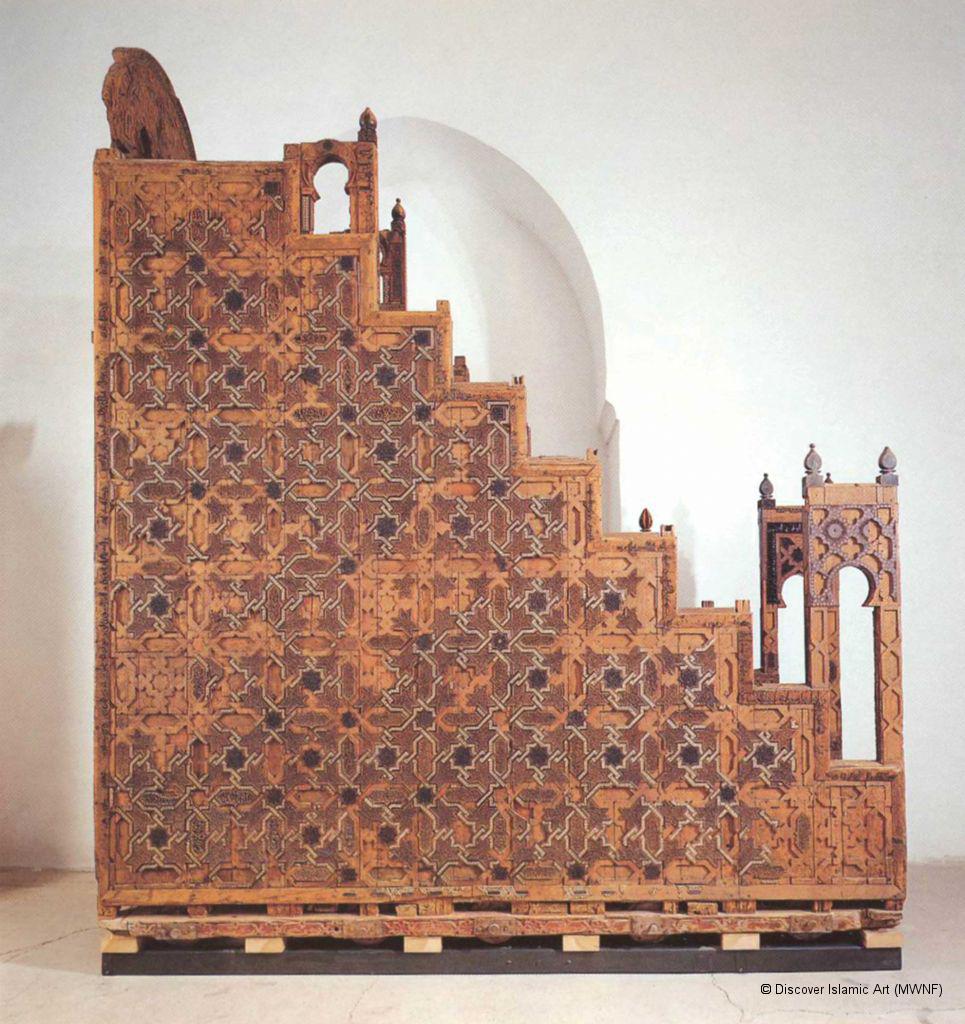
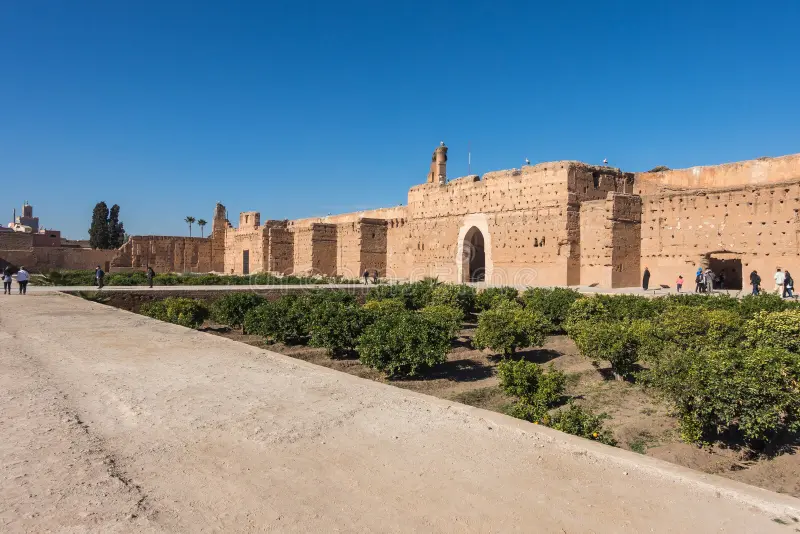
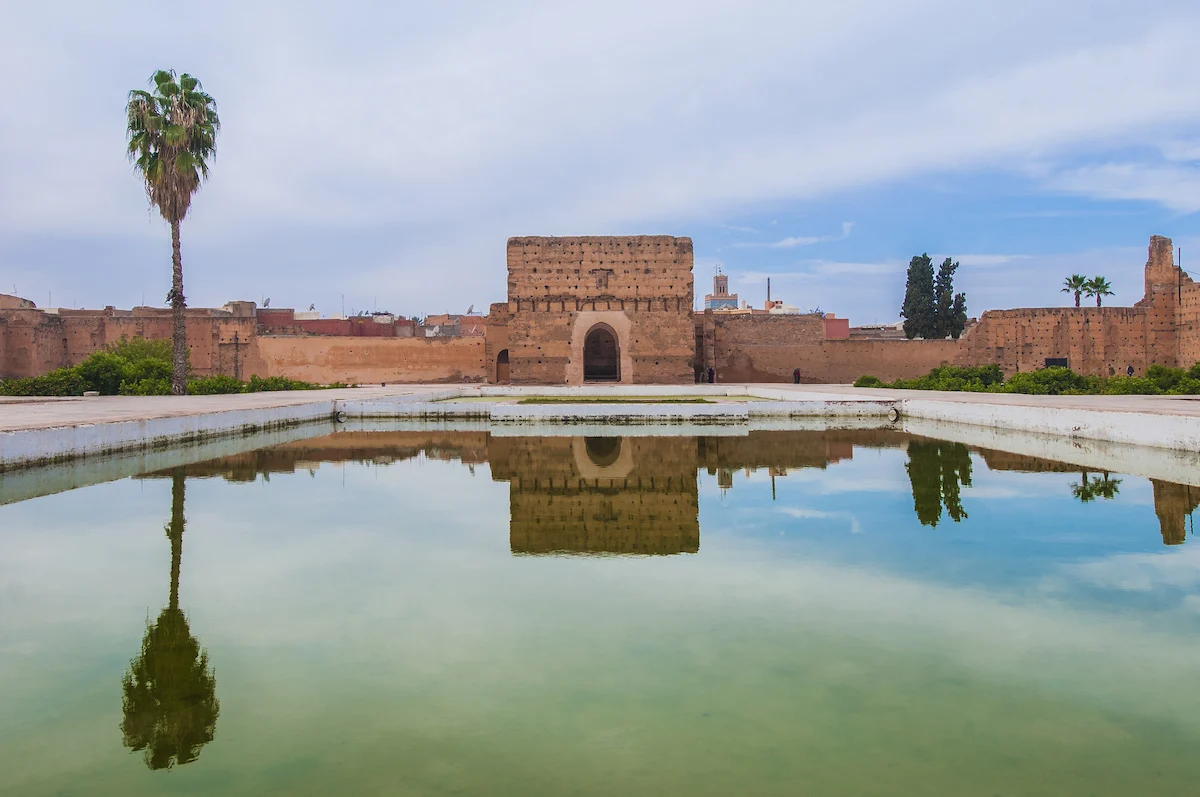
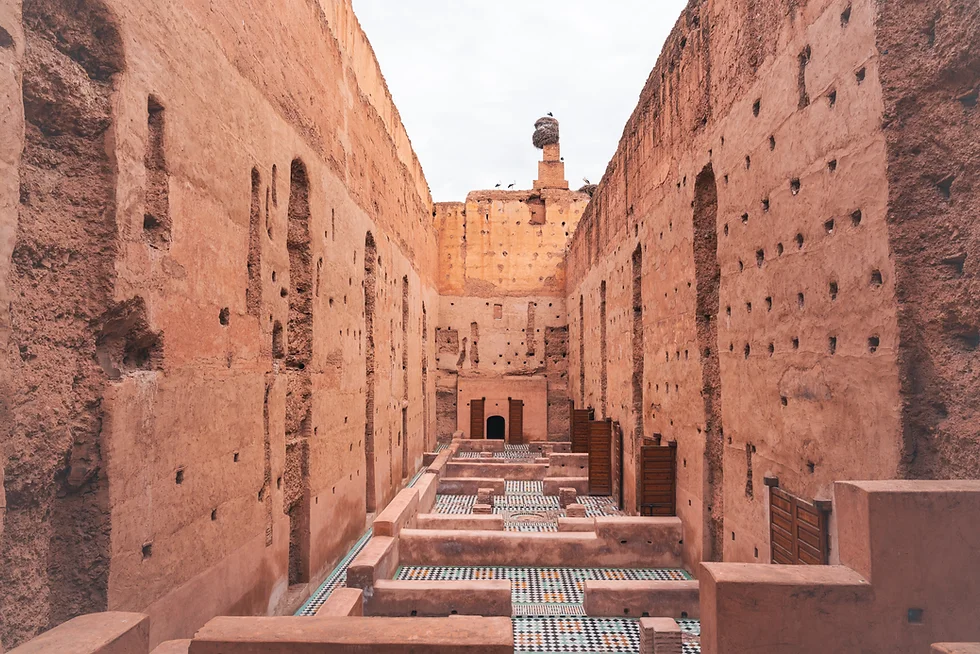
What survives is a vast sunken esplanade ringed by pisé ramparts, four reflecting pools, and orange groves planted below ground level. Storks nest along the parapets, and the relocated Koutoubia Minbar — a masterwork of inlaid cedar — sits preserved in a side pavilion. Among Marrakech landmarks it reads as deliberate absence, a record of grandeur measured by its emptiness. Visitors weighing an el badi palace combo tour, a marrakech palaces day tour, or a private tour el badi palace marrakech often pair these ruins with Bahia Palace, and good El Badi Palace tours frame that contrast clearly.
"Stripped to its ramparts, the palace measures its former gold by the silence left behind."
A step-by-step walkthrough of El Badi Palace tickets — what you'll see, how long each stage takes, and the details that matter.
You enter through Ksibat Nhass and arrive between 09:00 and 10:30, before the midday heat builds over the medina. You pay 70 MAD, then descend toward the sunken courtyard, where four still pools mirror the ochre ramparts and the orange trees sit below your feet.
You climb the eastern terrace for the rooftop view across Marrakech toward the Atlas, counting the stork nests strung along the crumbling walls. You step into the cool pavilion to study the carved cedar of the Koutoubia Minbar, then wander the underground passages once used as dungeons. Booking an El Badi Palace tour with an el badi palace private guided tour option lets a local historian fill the bare rooms with detail before you exit by 17:00.
The landmarks, rooms, and views travelers on El Badi Palace tours remember — all visible on a single visit.
The main courtyard of El Badi Palace measures 135 by 110 metres and once contained 360 rooms; today its sunken garden beds are planted with orange trees and its central reflecting pool, though dry, conveys the extraordinary ambition of the original Saadian construction.
The 12th-century cedar-wood minbar was crafted in Córdoba, Spain, in 1137 and moved to Marrakech centuries later; its carved geometric inlays with surviving gold and silver calligraphy make it one of the most important objects of Almoravid Islamic art accessible to the public.
A network of underground passages once connecting the palace's kitchens, hammams, storage areas, and prison cells now hosts archaeological exhibitions including a photographic archive of the Kasbah district from the 1920s to 1950s.
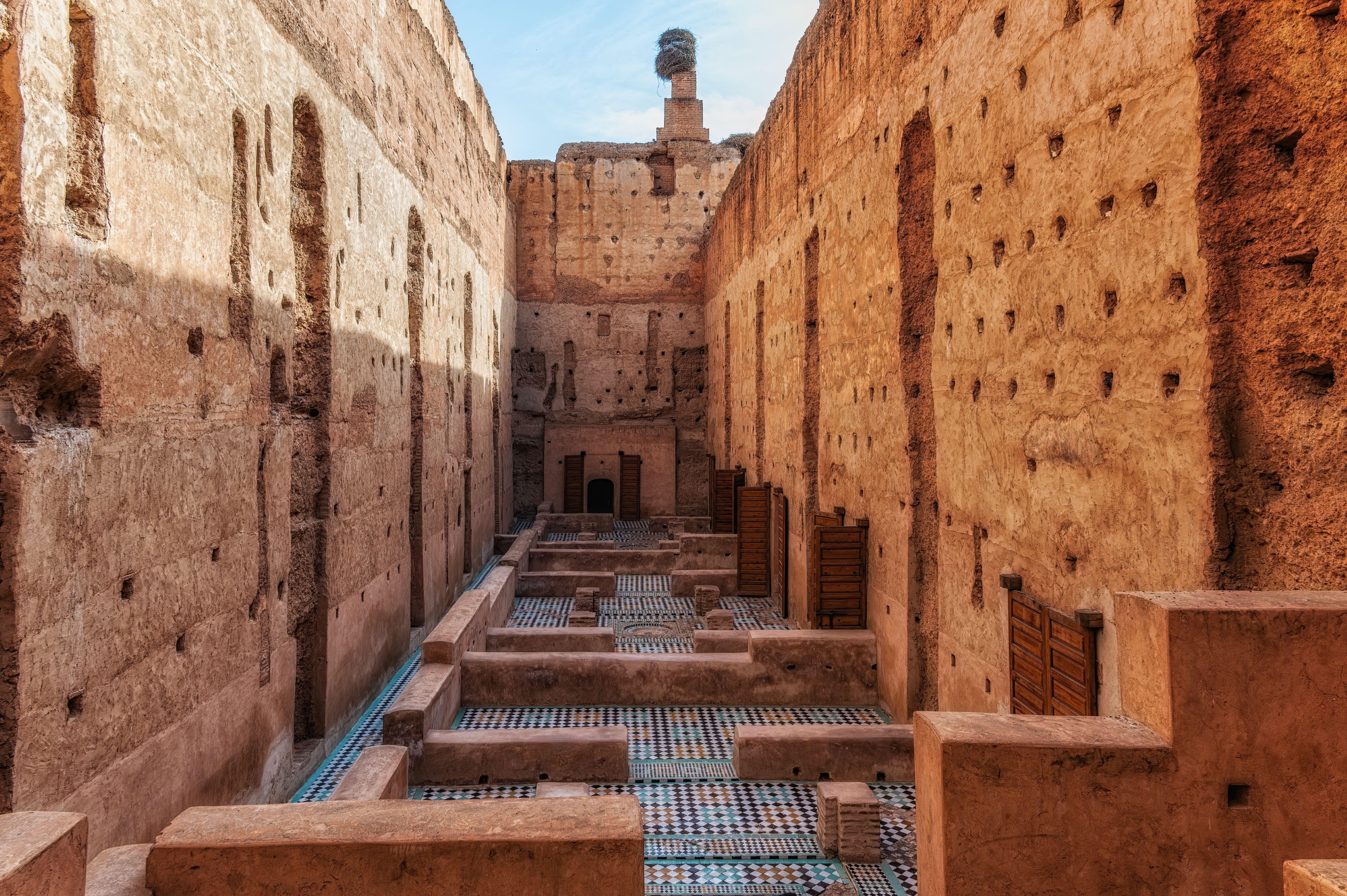
The elevated walkways along the outer walls provide panoramic views across the medina roofscape to the Atlas Mountains, and support a resident colony of white storks whose large nests are visible along the wall-tops from spring through summer.
Remains of the four corner summer pavilions that once flanked the central courtyard on each side illustrate the original symmetry of the design; the eroded pisé and brick structures show the construction materials used by Saadian-era craftsmen, with traces of zellige tilework still visible in places.
Every El Badi Palace tour side-by-side — duration, what's included, how you redeem.
| Experience | From | Duration | Transfers | Pickup | Lunch | Tax inc. | Free cancel. | Price | |
|---|---|---|---|---|---|---|---|---|---|
|
Skip-the-line Most popular
Marrakech Medina, Bahia Palace & Saadian Tombs Walking Tour
|
— | 4 hr | — | — | — | — | ✓ | €15 | Book → |
|
Guided Experience
Marrakech Highlights: Saadian Tombs, Bahia Palace & Medina Walking Tour
|
— | 4 hr | — | — | — | — | ✓ | €15 | Book → |
|
Standard Entry
Marrakech Highlights: Bahia Palace, Saadian Tombs & Koutoubia Mosque
|
— | 3 hr | — | — | — | — | ✓ | €18 | Book → |
|
Premium Combo
Marrakech Private Medina Tour with Expert Guide
|
— | 6 hr 30 min | — | — | — | — | ✓ | €58 | Book → |
All prices from verified partners. Availability and exact terms confirmed at checkout.
Choose your ticket, select your date, and reserve in under two minutes. Secure checkout handled by our verified partner.
Instant confirmation by email, with a mobile voucher you can save offline. No printing, no queuing at a collection desk.
Arrive at the entrance, show your voucher on your phone, and walk in. Most tickets include priority or skip-the-line access.
Practical details for El Badi Palace tickets straight from our verified partners — hours, access, rules, and how to get there.
Ksibat Nhass, Marrakech 40000, Morocco
The ticket booth is directly at the gate; no separate meeting area inside
Open in Google MapsFrom Jemaa el-Fna square, follow Rue Riad Zitoun el Kdim south through the medina
Petit taxis are metered and available across the medina; ask for Ksibat Nhass or Place des Ferblantiers
City buses L6, L20, L24, L25, L33, L35, L45, and L251 serve the Bab Rab stop near the palace
Limited on-street parking near Ksibat Nhass; easier parking near Place des Ferblantiers
El Badi Palace is an open archaeological site rather than an active mosque, so strict religious dress codes do not apply. However, modest clothing covering shoulders and knees is respectful and recommended, especially when visiting during Ramadan or Islamic holidays. Lightweight, breathable fabrics are strongly advisable given the exposed courtyard and intense summer heat.
A basic bag check is conducted at the entrance gate. Large backpacks and luggage may be inspected by security staff. There is no dedicated bag storage on site, so leave unnecessary valuables at your accommodation.
Photography is freely permitted throughout the main courtyard, terraces, and ramparts, making the Badi Palace ruins one of the more photography-friendly Marrakech landmarks. Photography inside the Koutoubia Minbar pavilion is generally restricted — check with the on-site guardian before pointing a camera at the minbar itself. Drone flights require advance authorisation from Moroccan civil aviation authorities and are not permitted without a permit.
The main central courtyard of El Badi Palace is largely flat and can be navigated by wheelchair users, though the original pisé and brick surfaces are uneven in places. The underground chambers and subterranean passageways involve steps and low headroom and are not wheelchair accessible. The rampart walkways involve steep stone steps. Visitors with limited mobility can still access the courtyard and Koutoubia Minbar pavilion. No dedicated accessibility facilities or rental equipment are available on site.
Mobile phones may be used freely for photography and video throughout most of the site. Network coverage inside the underground chambers can be intermittent. Download offline maps of the Marrakech medina before your visit, as GPS signal within the narrow surrounding streets can be unreliable.
El Badi Palace is well suited to families with children of all ages. The vast open courtyard gives young children room to move, and the nesting white storks visible on the ramparts are a natural highlight that engages younger visitors. The underground chambers and dungeon areas add an element of exploration. Children under 12 are typically charged a reduced admission rate at the ticket window; confirm the current child rate on arrival. Uneven surfaces in parts of the site mean pushchairs may be difficult to manoeuvre.
There are no cafés, restaurants, or food vendors operating inside the palace grounds. Bring your own water, particularly in summer when temperatures inside the sun-exposed courtyard can exceed 40 °C. Several cafés and street-food stalls are located just outside the main entrance on Ksibat Nhass and around Place des Ferblantiers, a short walk away. The nearby Mellah neighbourhood has traditional Moroccan eateries within five minutes on foot.
Pets are not permitted inside El Badi Palace. Registered assistance dogs accompanying visitors with disabilities are the sole exception, subject to the standard Moroccan regulations governing assistance animals.
The palace hosts occasional evening cultural events and film screenings during the Marrakech International Film Festival, typically held in late autumn. Visiting on a weekday morning outside Moroccan school holiday periods gives the best chance of a quiet visit. An optional local guide can be hired near the entrance to explain the site's Saadian-dynasty history and point out architectural features not labelled on site.
Ksibat Nhass, Marrakech 40000, Morocco
The ticket booth is directly at the gate; no separate meeting area inside
Get directionsBest time to go, insider tips, nearby landmarks, and the cancellation fine print — flip through to skim what matters to you.
How crowds, weather, and events shift across the year.
Comfortable temperatures around 20–26 °C, post-summer tourist drop-off, and clear skies suit extended courtyard exploration.
Small details that turn a good visit into a great one.
Visit between 09:00 and 10:30 to explore the open courtyard before midday temperatures in June–August regularly exceed 38 °C; the underground chambers offer welcome cool air mid-visit.
Non-bookable sights within a short walk — free to visit, easy to pair.
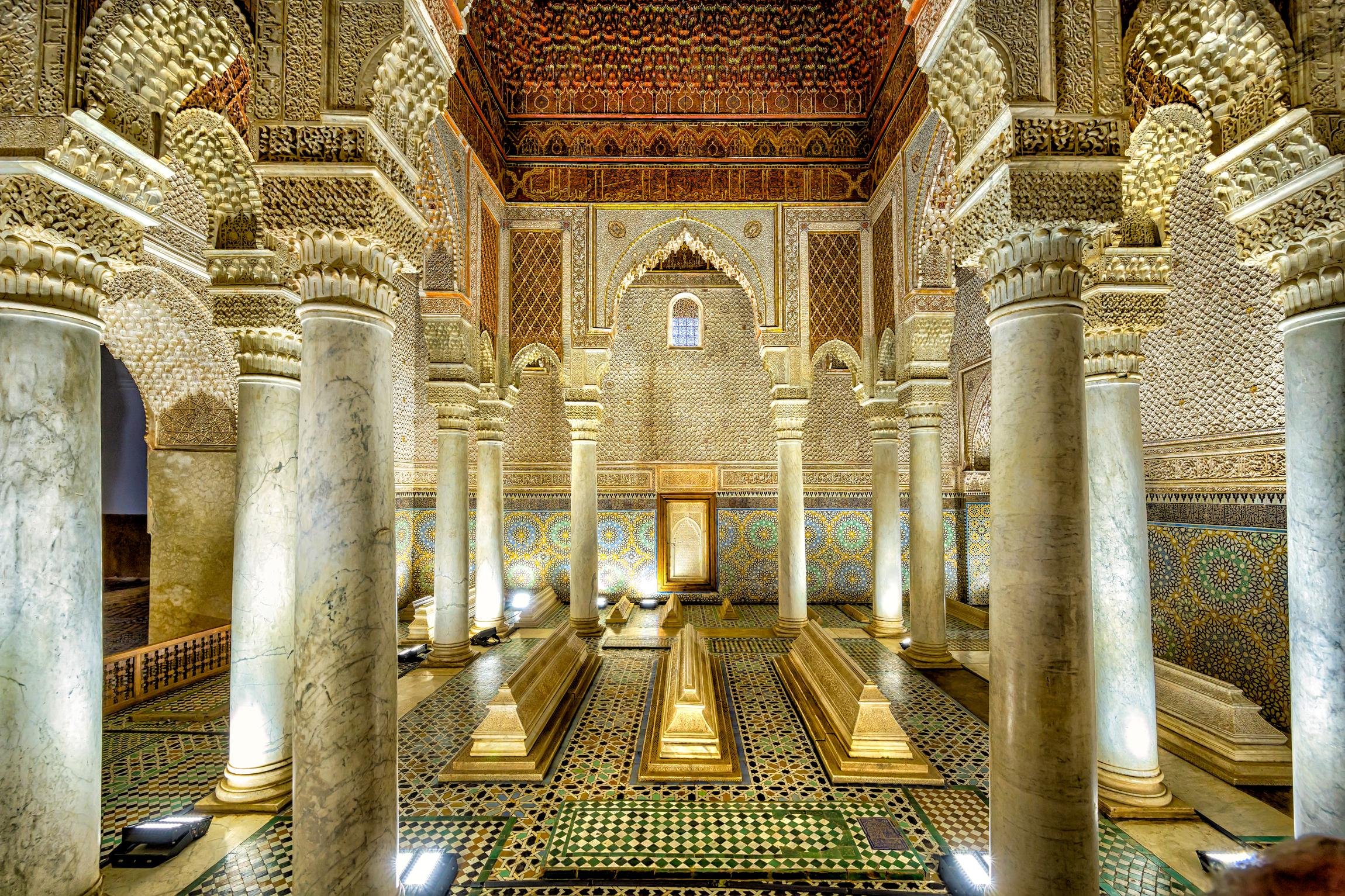
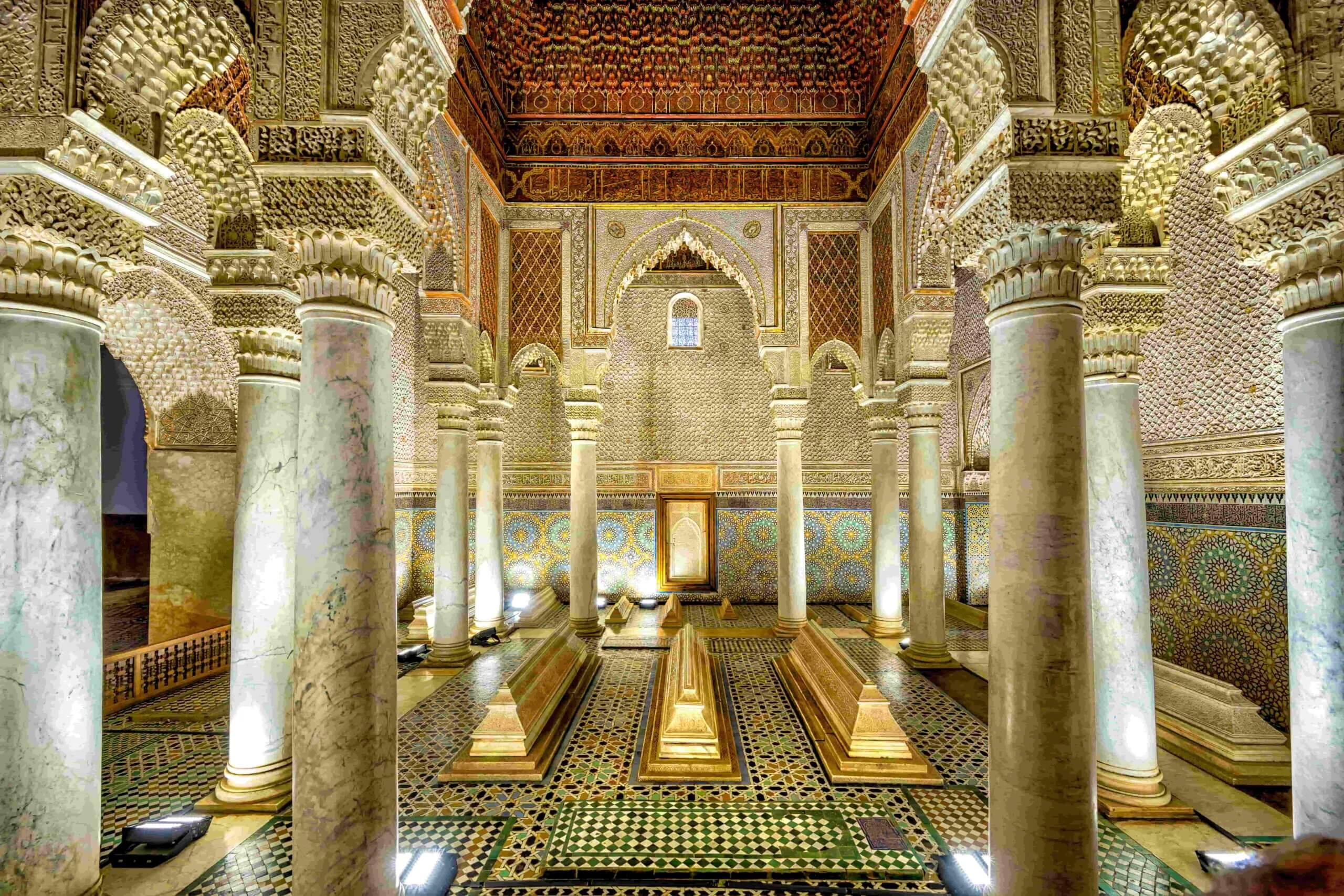
16th-century royal necropolis of the Saadian dynasty, rediscovered in 1917; one of Marrakech's most visited heritage sites
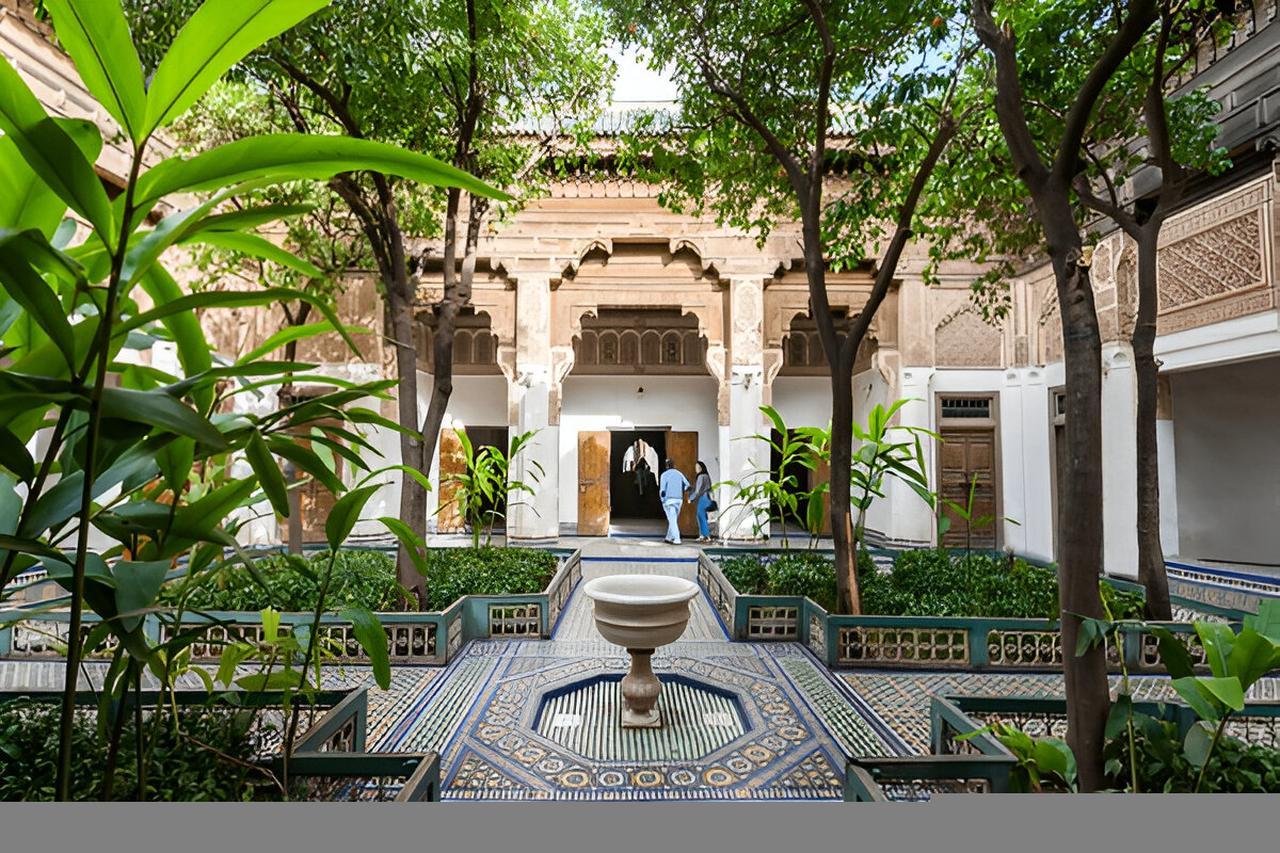
19th-century grand vizier's palace with ornate Andalusian-Moroccan courtyard gardens and painted cedar ceilings
Traditional square of lantern-makers (ferblantiers) adjacent to the Mellah; active artisan workshops and lamp stalls
19th-century residence housing the Museum of Moroccan Arts with an exceptional collection of carved woodwork and zellige
Historic Jewish quarter of Marrakech with distinctive 19th-century architecture, a working synagogue, and covered market streets
Flexible, no hidden fees.
Tickets purchased at the palace entrance are non-refundable. For online bookings through third-party platforms, cancellations made at least 24 hours before the visit date typically receive a full refund; check your specific booking platform's policy for details.
Hand-picked options within walking distance — pick a district for vibe, or a specific hotel for convenience.
Riad in the Medina, 5-minute walk from Bahia Palace; spa and traditional courtyard setting
Private-riad resort; one of Marrakech's most celebrated five-star properties with dedicated butler service
Antique-filled medina riad known for its rooftop terrace and proximity to historic Kasbah sites
Cluster of mid-range to boutique riads within the Kasbah neighbourhood, a 5-minute walk from the palace entrance
Several budget guesthouses and small hostels cluster around Bab Agnaou gate, providing affordable medina access
El Badi Palace is open every day from 09:00 to 17:00, including weekends and most public holidays; hours may be reduced during Ramadan to approximately 10:00–16:00.
The entrance fee for El Badi Palace is 70 MAD per adult foreign visitor, which includes access to the courtyards, terraces, and the Koutoubia Minbar pavilion; tickets are purchased at the gate.
El Badi Palace is located at Ksibat Nhass, Marrakech 40000, Morocco, in the Kasbah district of the medina, roughly 15–20 minutes on foot south of Jemaa el-Fna square.
The best arrival window for the Badi Palace Marrakech site is between 09:00 and 10:30, when visitor numbers are lowest and temperatures are cooler before the midday heat builds in the open courtyard.
The central courtyard and Koutoubia Minbar pavilion are accessible on relatively flat ground, but the underground chambers involve steps and the rampart walkways require climbing steep stone staircases, so full wheelchair access throughout the site is not possible.
Photography is freely permitted across the main courtyard, terraces, and ramparts of this Saadian-dynasty ruin; photography of the Koutoubia Minbar itself inside its pavilion is generally restricted — confirm with the on-site guardian before shooting.
The Koutoubia Minbar is a 12th-century cedar-wood pulpit crafted in Córdoba in 1137, decorated with gold and silver calligraphy; it is considered one of the finest surviving examples of Almoravid Islamic woodwork and is housed in a dedicated pavilion within the palace grounds.
El Badi Palace tours with licensed local guides can be arranged informally at the entrance gate; guide fees are negotiated directly and are separate from the 70 MAD admission ticket.
There are no cafés or food vendors inside the palace; visitors should bring their own water, as the exposed courtyard becomes very hot, and several cafés are located on Ksibat Nhass and around Place des Ferblantiers immediately outside.
No strict religious dress code applies, but modest clothing covering shoulders and knees is respectful; lightweight, breathable fabrics are strongly recommended given the open, sun-exposed nature of the Marrakech ruins.
Yes — the Saadian Tombs are a five-minute walk away and Bahia Palace is an eight-minute walk, making it straightforward to tour all three Kasbah-district heritage sites in a single morning of El Badi Palace tours and nearby landmarks.
Tickets purchased at the gate are non-refundable; for tickets booked through online platforms, most providers allow free cancellation up to 24 hours before the visit date — check your specific booking confirmation for the applicable policy.